


How to Organize Your Information Using A Category-Wise Database?
Category-Wise Database: A Smarter Way to Manage Information
Managing large amounts of data efficiently is vital in today’s digital world. As information grows rapidly, a structured approach to data management can improve both productivity and accessibility.
A category-wise database offers a practical solution by helping users organize information systematically. By grouping data into clear categories, you can retrieve and analyze it quickly—saving time and reducing frustration.
This article explains the concept of a category-wise database, steps to create one, and best practices for organizing your information.
Understanding Category-Wise Databases: What They Are
A category-wise database is a structured system that groups information into predefined categories. Unlike traditional flat databases, it creates a clear hierarchy that links related data together.
Users can navigate information by topics, projects, or themes. For example, a marketing database might include categories like “Social Media,” “Email Campaigns,” and “Market Research.” This structure simplifies data retrieval and supports better analysis and reporting.
This categorization simplifies data retrieval and facilitates analysis and reporting, enabling users to derive meaningful insights from their information.
Steps to Create a Category-Wise Database
Creating a category-wise database involves several key steps.
First, identify the type of data you want to organize. Then, outline the categories that best represent this information.
Next, create a logical hierarchy and add subcategories if needed. Choose a database management system (DBMS) that allows easy categorization and search. After setup, start adding data and ensure every record fits into the correct category.
Review and update your database regularly. Add or refine categories as your data changes over time to keep it useful and relevant.
Best Practices for Organizing Information in Your Database
To maximize the effectiveness of your category-wise database, follow the best practices for organizing information:
- Consistency in naming conventions for categories and subcategories will help users quickly understand the structure. Utilize tags or keywords alongside categories to enhance search ability and make data retrieval even more efficient.
- Ensure your database is user-friendly by providing clear instructions or training for those accessing it. Regularly back up your database to prevent data loss and implement access controls to protect sensitive information.
- Encourage user feedback to continually refine the database’s organization and usability, ensuring it remains a valuable resource.
Benefits of Using a Category-Wise Database
The benefits of utilizing a category-wise database extend far beyond simple organization. One of the most significant advantages is improved efficiency in data retrieval; users can quickly locate information without sifting through irrelevant data.
This structured approach also aids decision-making processes, as users can analyze data grouped by relevant categories, identifying trends and insights more quickly.
Furthermore, a well-organized database enhances collaboration among team members, as everyone can access the same categorized information, fostering better communication and teamwork.
Implementing a category-wise database can lead to better time management, increased productivity, and a more streamlined information management process.
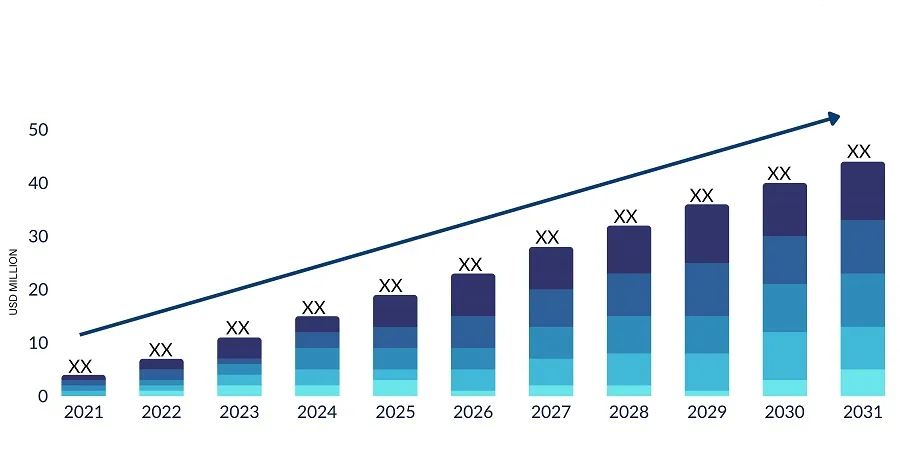
Global Database Market Size Forecast 2021-2031
The global database market is projected to experience robust growth from 2021 to 2031, driven by the rapid expansion of digital transformation initiatives, the increasing reliance on data-driven decision-making, and the exponential growth of data generated across industries.
As businesses shift to cloud-based infrastructure and adopt big data analytics, the demand for scalable, secure, and efficient database solutions continues to surge.
In 2021, the market began seeing accelerated adoption of advanced database technologies such as NoSQL, NewSQL, and multi-model databases, which offer flexibility and performance improvements.
This trend is expected to grow as organizations seek to manage and process vast amounts of unstructured data.
With AI, machine learning, and edge computing innovations, database management systems (DBMS) are becoming integral to optimizing business operations and delivering real-time insights.
By 2031, the global database market is anticipated to reach significant revenue milestones, fueled by rising investments in database-as-a-service (DBaaS) and increasing adoption across healthcare, finance, and retail sectors.
Conclusion: Streamlining Your Information Management
In conclusion, organizing information using a category-wise database is an effective strategy for enhancing data management in both personal and professional contexts.
By understanding the concept and following the necessary steps to create and maintain such a database, users can enjoy numerous benefits, including improved efficiency and better collaboration.
As information continues to grow and evolve, adopting a category-wise approach will prove invaluable in navigating the complexities of data management.
By streamlining information organization, you can unlock the full potential of your data, making it a powerful tool for informed decision-making and strategic planning. In the same way we also provide a bulk whatsapp marketing panel to boost your business.